Skip to content
  (650) 442-1470

 (650) 442-1470
Summary:
Sewer line collapses are typically caused by a combination of aging materials, shifts in nearby soil, tree root invasions, clogs, blockages, and poor or neglected maintenance over time. Pipes typically sag or develop a belly before cracking completely. Sewage and greywater can contain harmful pathogens and cause devastating structural damage to your yard and home in very little time. Red flags include recurring clogs, slow drains, gurgling, foul odors, and unusually wet or lush patches in the yard.
| Time to Read | 6-8 minutes |
| What You’ll Learn |
|
| Next Steps |
|
The Dangers of a Collapsed Sewer Line & How to Prevent It
A collapsed sewer line is one of the most disruptive and expensive plumbing problems homeowners can potentially face over the life of their home. The second the line lets go, you instantly lose the connection to the sewer under the street, which means wastewater has nowhere to go but where it shouldn’t.
This is a huge hassle, but it can also lead to a sewage backup that puts your family, pets, or home at risk. It also means you can’t flush the toilet, take a shower, or wash clothes and dishes throughout the day.
In this guide, you’ll learn what causes collapses like these to happen, why they can be so dangerous, and how you can prevent them with the right maintenance and care.
What’s That Word? A Quick Glossary of Terms
- Lateral: The part of your sewer line that runs from your home to the city main.
- Hydro-jetting: A high-pressure water jet service that safely blasts debris out of the line.
- CCTV drain camera: A small, portable camera on a flexible rod attached to a screen.
- Backwater valve: A one-way valve that stops sewage from flowing backward into your home.
- Trenchless repair: A minimally invasive method for fixing, replacing, or reinforcing old pipes.
What Causes a Sewer Line to Collapse?
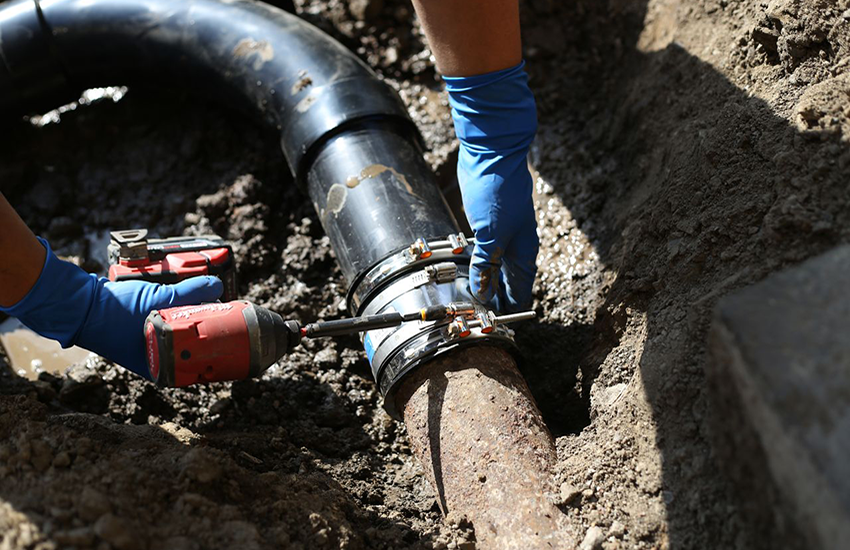
Sewer lines don’t suddenly collapse out of the blue. In most cases, they’ll sag or develop a “belly” first, which doesn’t always interfere with the way water passes through the pipe (at first). If whatever is stressing the pipe continues to happen or gets worse, the pipe will eventually just give out completely.
As for what causes it, most cases stem from:
- The age of the system itself, especially if it’s over 50 years old and hasn’t been maintained.
- Roots from nearby trees can invade pipes through tiny cracks and widen them over time.
- Outdated materials like clay or cast iron are more likely to fail than newer materials.
- Changes in the soil from earthquakes, coastal erosion, seasonal floods, droughts, or construction.
- Extra weight on the line from vehicles, landscaping features, or outbuildings like garages.
- Clogs and blockages in the line can be caused by flushing wipes or other non-biodegradable materials.
Damage is cumulative and almost always worsens over time, which is what makes regular inspections so important. The more damage you have, the more expensive it is to fix.
What Can Go Wrong After a Collapse?
When your lateral collapses, wastewater that should move away from your home suddenly has nowhere to go. As the pressure increases inside the line, the sewage will look for the path of least resistance, which is usually either the lowest drains in our home or your yard.
All that sewage can eventually:
- Damage your floors, walls, furniture, appliances, and personal belongings.
- Contaminate your yard or the nearby street, depending on where the collapse happens
- Expose your loved ones to harmful pathogens like E. coli, Salmonella, or Hep A.
- Lead to serious structural and water damage in your foundation or floors.
- Erode the soil below your foundation, causing it to shift or sink.
- Create dangerous sinkholes and cracks in the ground.
The city and/or Regional Water Quality Control Board (RWQCB) can technically fine you if sewage from your collapsed lateral contaminates local reservoirs, storm drains, or waterways. Penalties start at around $3,000, but the RWQCB does have the authority to increase them based on the extent of the damage.
ProTip: Use This House Sewer Line Diagram to Find & Prevent Problems
Signs That Suggest Your Sewer Line is Struggling
Sewer line problems are incredibly easy to mistake for everyday plumbing issues, especially in the early stages. It’s really common for homeowners to completely write them off or assume they aren’t serious, especially if they only crop up here and there and clear up on their own.
Be on the lookout for:
- Stubborn toilet or drain clogs that keep coming back again and again
- Slow drains at more than one outlet, or many outlets, around the home
- Loud gurgling noises or bubbling when you flush the toilet or run the water
- A persistent odor of sewage, garbage, or decay that you can’t track down
- Wet spots, puddles, or small patches of lawn that seem unusually healthy
If you can see sewage anywhere in your home, you have a plumbing emergency on your hands. Keep loved ones and pets away from it, close the door to the room if you can, then call (650) 294-8592 for help.
How to Prevent a Sewer Line Collapse
The best way to prevent a collapse is to schedule a yearly maintenance appointment with Caccia Home Services. We can send a pro out to your location to fully inspect your system so they can spot problems early, fix them fast, and save you a little bit of money.
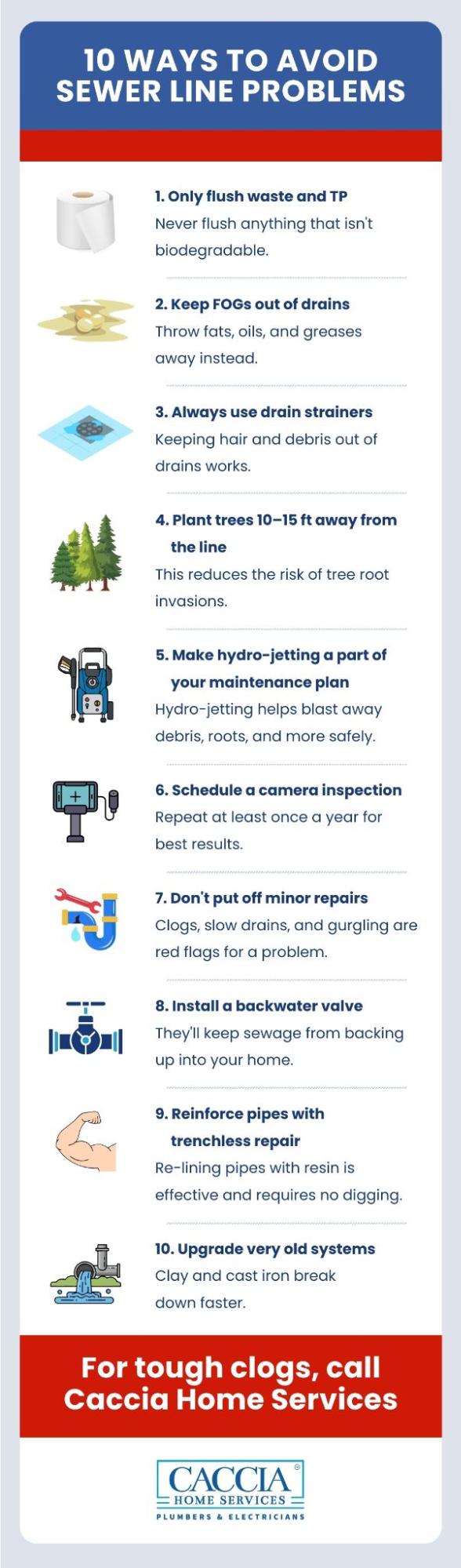
That said, we recommend that ALL customers follow each of the strategies in the chart below.
| Recommendation | How Often? | Why? | Who To Call |
|---|---|---|---|
| Don’t flush anything down the toilet other than waste or toilet paper. | Always | Flushing wipes, sanitary napkins, and other non-biodegradable materials can lead to blockages that damage the pipe. | No Service Needed |
| Keep fats, grease, and oils (FOGs) out of drains. | Always | Hardened FOGs can clog the line or corrode older pipes, increasing the risk for failure. | No Service Needed |
| Use drain strainers to catch hair and debris. | Always | Hair and debris can clump together and block the pipe, triggering backups that increase pressure in the line. | No Service Needed |
| Keep deep-rooted trees 10–15 ft from your sewer line (or more). | As-Needed | Spacing trees and shrubs out helps reduce the risk for tree root invasion, which can lead to cracks or total sewer line failure. | Landscaper or Arborist |
| Consider hydro-jetting for any existing tree root invasions. | Yearly or As-Needed | Hydro-jetting can blast away tree roots in the line safely without harming the lines or forcing you to dig them up. | Caccia Home Services |
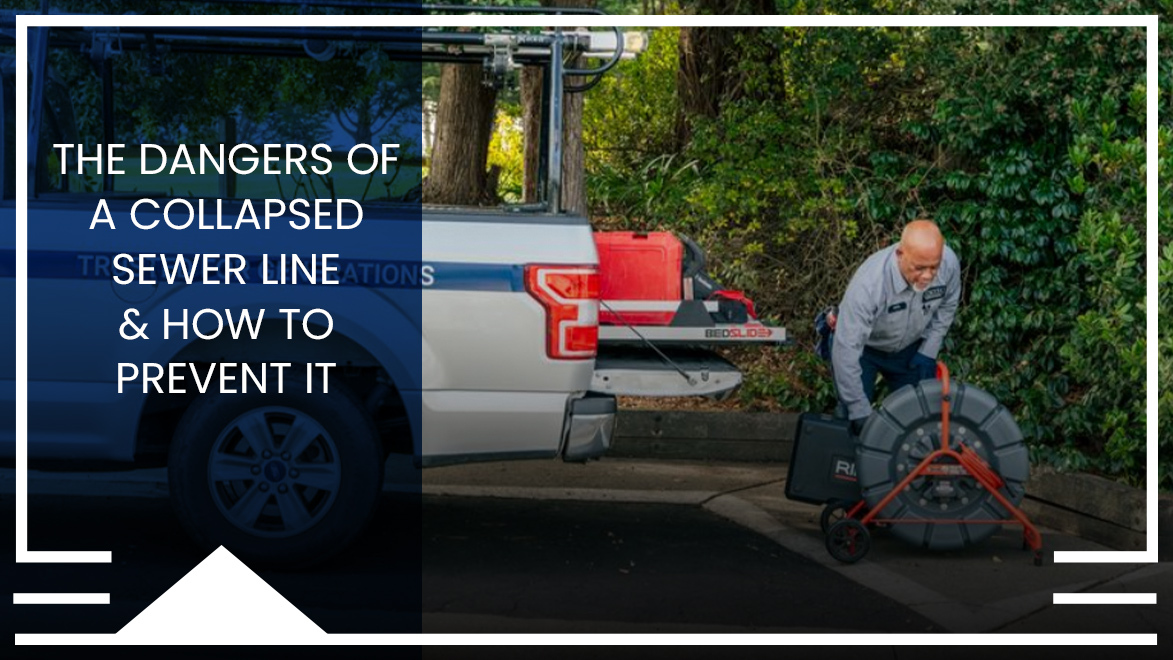
| Schedule a sewer camera inspection. | Yearly | Camera inspections let us visualize the inside of your lines from above with a CCTV drain camera so we can catch and fix problems early. | Caccia Home Services |
| Make hydro-jetting a part of your maintenance plan. | Every 1–2 years | Hydro-jetting can also safely clear away any buildup or hard water scale in the line, which can lead to corrosion or clogs. | Caccia Home Services |
| Address recurring clogs and bad sewer smells right away. | As-Needed | Acting fast gives you more time to address minor issues before they lead to failure. | Caccia Home Services |
| Install a backwater valve on your system. | One-Time Install, Yearly Checkups | A backwater valve prevents sewage from flowing backward into your basement, home, or yard. | Caccia Home Services |
| Reinforce weak pipe sections with trenchless repair. | As-Needed | Trenchless repair can help strengthen and reinforce old pipes without as much digging or excavation. | Caccia Home Services |
| Replace clay or cast-iron lines with ABS/PVC. | As-Needed | Outdated materials like these are more prone to collapse and failure the older they get. | Caccia Home Services |

Let Caccia Home Services Protect Your Sewer Line
Sewer line problems are seriously stressful, and fixing them is usually dirty work no homeowner should ever have to deal with on their own. Our licensed plumbers have the knowledge, experience, and special equipment needed to handle camera inspections, trenchless repairs, and more on your behalf.
Waiting for your sewer line to totally fail will cost you much more than the average inspection or hydro-jetting appointment in the long run. Take the easy way out by letting our pros maintain or fix your system so you can enjoy your home worry-free. Call Caccia Home Services today!