 (650) 442-1470

 (650) 442-1470

47+
Years of Experience

4.9
Review Rating

100%
Satisfaction Guaranteed
Hard water is quietly costing Peninsula homeowners, and water softeners are the fix
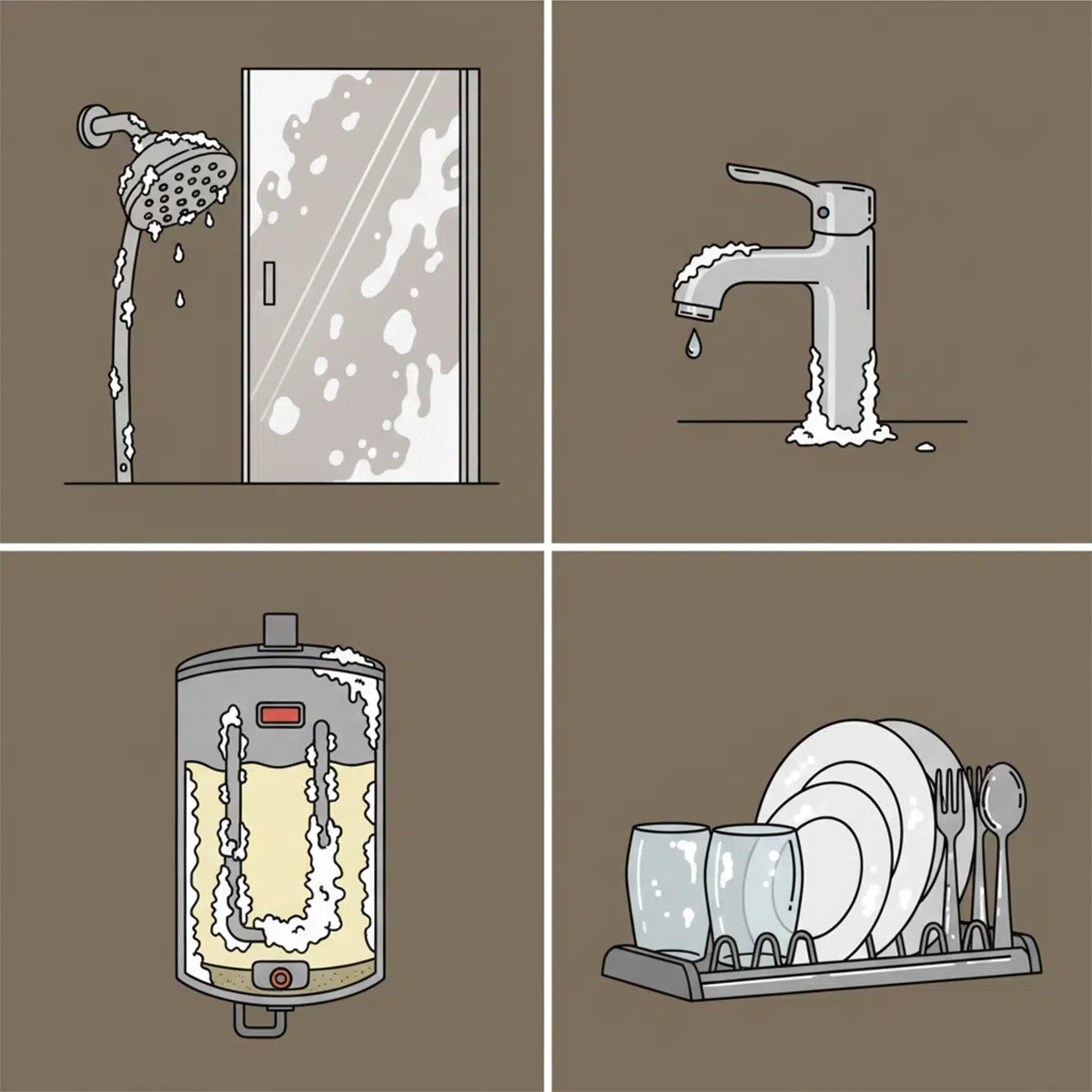
Bay Area water hardness varies, and some Peninsula neighborhoods get hit harder than others
Hardness levels can vary significantly depending on your neighborhood, your water provider, and whether any local groundwater is blended in. Homes in areas served by well water or mixed sources, like in Redwood City, Foster City, and South San Francisco, often see noticeably higher mineral content. A water hardness test will confirm if your home or business needs a water softener.
A water softener removes damaging minerals
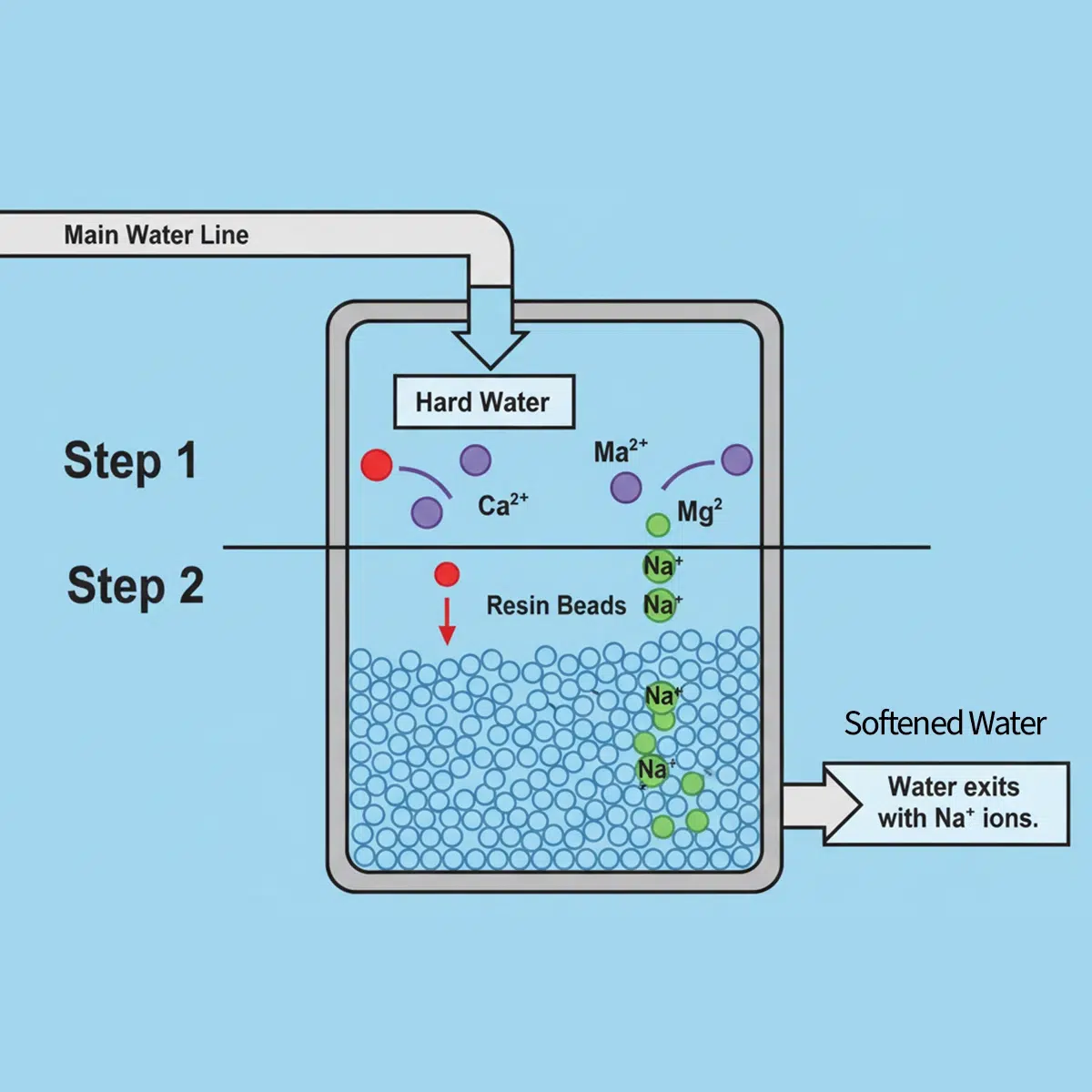
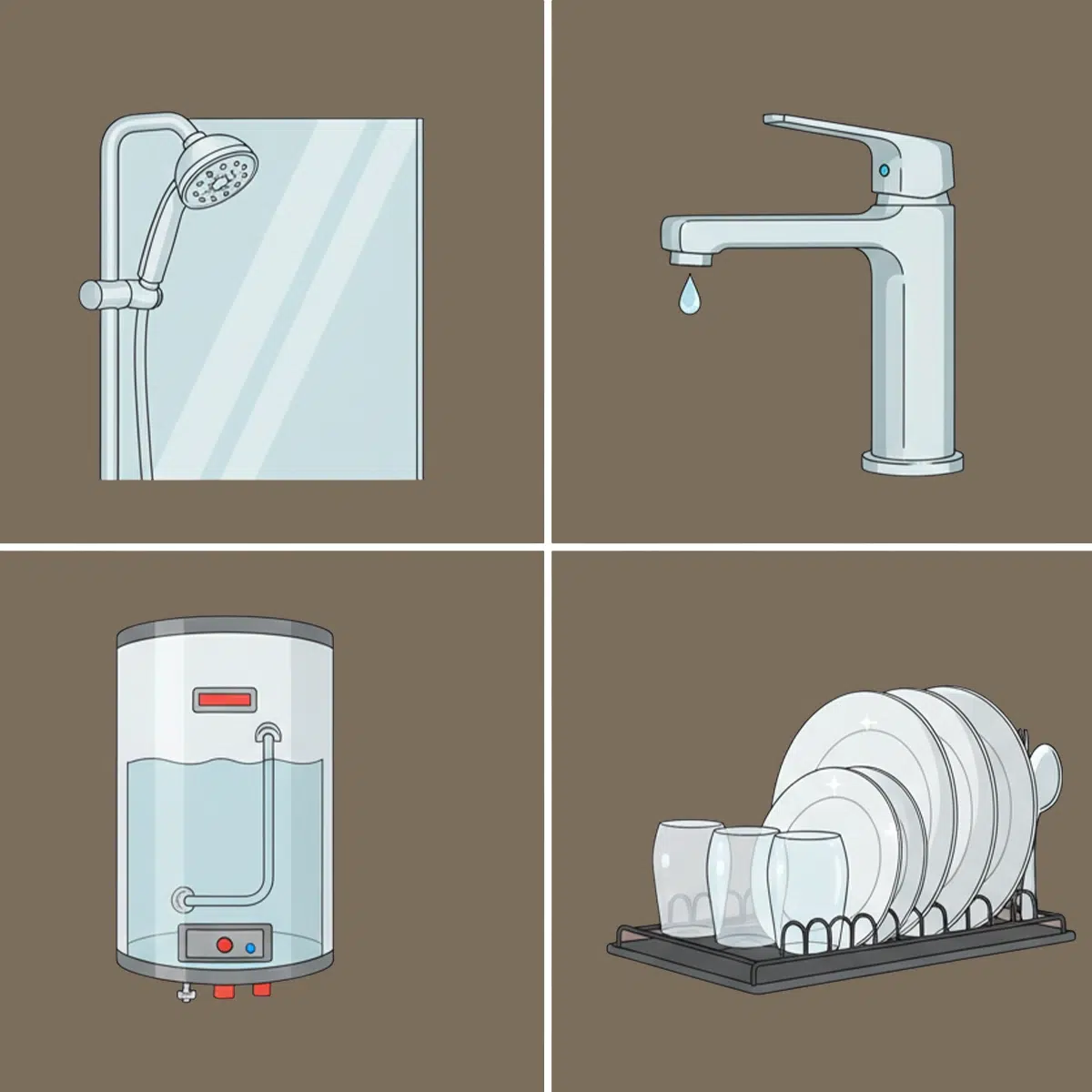
Water softeners use a process called ion exchange to swap out calcium and magnesium with sodium or potassium ions. The result is water that’s gentler on your skin and hair and easier on appliances or equipment.
The right system for your home or business is not a one-size-fits-all approach
Every household on the Peninsula is different. A family of five in San Carlos has very different water needs than a manufacturing business in the San Leandro Industrial Area. We test your water, evaluate your usage, and recommend a system that fits.


What a Proper Softener Install Looks Like
A Softener Is Only as Good as the Way It Is Commissioned
Hard water leaves minerals behind everywhere it goes, including scale in the pipes, spots on the dishes, soap that will not lather, and appliances that wear out early. Installing a softener fixes that, but only if it is set up correctly, and one step gets skipped more than any other. Filters and softeners arrive already packed with carbon and resin media, and that fresh media carries loose dust that will travel straight into the home on the first run. On this Redwood City job, our technician mounted a Puronics whole-home system on the main line, programmed the digital control valve for the household’s actual hardness and usage so it would not waste salt regenerating too often, then put the unit into bypass and ran a full backwash cycle to flush the dust to the drain. Only after the water ran clear did the system go into service, and a waterproof cover went on to protect the control head. That is the difference between a softener that works and one that puts carbon dust in your faucets.
System
Puronics whole-home softener
Key step
Initial carbon media backwash
Result
Clean lines from day one
What to expect before, during, and after a water softener installation
Before
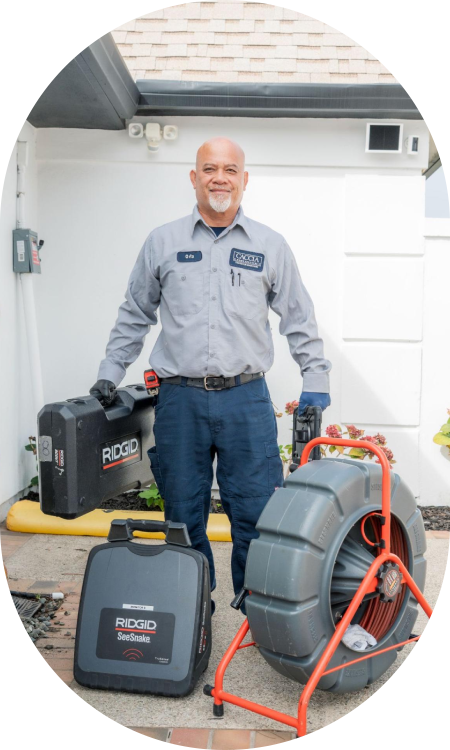
A Caccia technician will visit your Bay Area home to test your water hardness, evaluate your plumbing setup, and learn about your water usage. Based on what we find, we’ll recommend the right type and size of softener for your situation and provide upfront pricing before any work begins.
During
Our team installs the softener at your main water line, typically near your water heater or in your garage. We handle all plumbing connections, set up the brine tank, program the system’s regeneration cycle to match your usage, and test everything to make sure it’s running correctly.
After
Once the installation is complete, we walk you through how the system works, including how and when to add salt, what the settings mean, and what to keep an eye on. We’ll also let you know when your first maintenance check should be scheduled so your softener stays in top shape.
6 Indicators That You Need Professional
Water Softener Service

Scale Buildup
Noticeable mineral deposits on fixtures and appliances suggest your softener isn’t functioning properly.

Soap Scum
Difficulty lathering soap or persistent soap scum indicates hard water passing through the system.

Dry Skin and Hair
If your skin feels dry or hair seems dull after washing, your water may not be adequately softened.
High Salt Usage

The softener consuming salt faster than usual might mean it’s regenerating too frequently or there’s a malfunction.
Changes in Water Taste

A sudden metallic or unpleasant taste in your water could indicate softener issues.
Decreased Water Pressure

Mineral buildup in pipes due to ineffective softening can lead to reduced water flow throughout your home.

Why We’re the Top Choice for Water Softeners in the Peninsula

Extensive Experience
We’ve installed and maintained thousands of water softeners, showcasing our expertise in water quality improvement.
Customized Solutions
Our technicians analyze your water hardness and usage to recommend the perfect softener system for your needs.
Comprehensive Service
We offer full-service solutions, from initial consultation and installation to ongoing maintenance and salt delivery.
Quality of Life Focus
We prioritize the benefits of soft water, from extended appliance life to improved skin and hair health.
Frequently Asked Questions About
Water Softener Services
For more detailed information or to schedule a service, please don’t hesitate to contact our customer service team.
Guarantees & Warranties
Our Commitment to Your Satisfaction: Unbeatable Guarantees

Explore More Ways We Can Serve You
Discover Our Full Range of Plumbing Services From emergency repairs to installations, we’ve got all your plumbing needs covered.
Join the Caccia Care Club for Exclusive Benefits Enjoy priority service, discounts, and peace of mind with our membership program.
Reach Out to Us for Personalized Assistance Have questions or need a quote? Our friendly team is ready to help you.


