Skip to content
  (650) 442-1470

 (650) 442-1470
Summary:
Rinconada Pool runs on a closed-loop system that constantly circulates water through pumps, skimmers, filters, and chemical sensors before returning it to the pool. Palo Alto’s strict water-quality rules, plus oversight from the municipally-owned Palo Alto Utilities (CPAU), make backflow preventers mandatory because pressure changes can pull treated water back toward the city water supply. Professional plumbing can improve compliance with other local laws addressing runoff, garden hoses, leak repair, storm drain protection, reclaimed-water use, and spills.
| Time to Read | 6-8 minutes |
| What You’ll Learn |
|
| Next Steps |
|
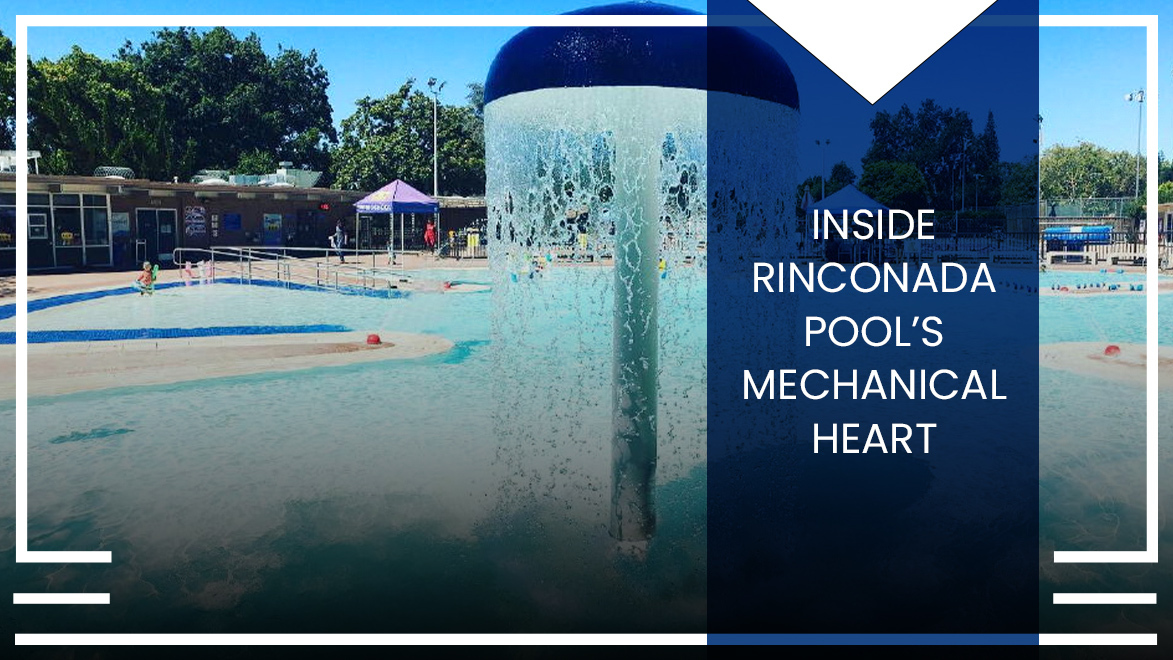
Inside Rinconada Pool’s Mechanical Heart
Rinconada’s public pool is a great place to spend the day in nice weather with the kids, but a lot is going on underneath the technical hood while you’re relaxing in the pool. It takes an entire room full of mechanical equipment to keep the water safe, stable, and compliant with local laws day-to-day.
What makes the job especially challenging is the fact that Palo Alto has some of the strictest guidelines for water quality and use in the United States. City of Palo Alto Utilities (CPAU) is fully owned by the city, so violations can easily lead to penalties like service limitations or account terminations. Rinconada Pool highlights the importance of expert plumbing support for homes and businesses throughout the region.
Below, you’ll learn how Rinconada’s systems work, why backflow protection is so essential, and why anyone who lives, works, or plays in the area should have a reliable plumber on speed dial.
How Pool Treatment Systems Like Rinconada’s Work
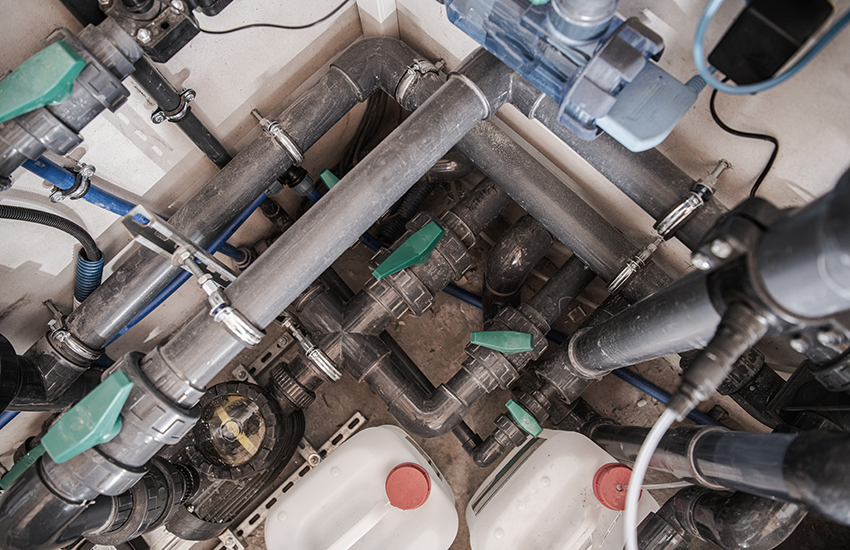
The first thing you need to know is that Rinconada Pool works on a closed-loop system. Every drop of water, from the shallows for the kids to the lap pool, is constantly moving through it, which is also how it gets filtered, cleaned, treated, and (depending on the weather) heated.
A lot of this step-by-step process happens automatically:
- An industrial-sized pump pulls water into the system at set intake points.
- Skimmer baskets catch leaves and other large debris so it can’t clog the system.
- Next, sand or cartridge filters remove smaller particles, like dust and sunscreen residue.
- Built-in sensors constantly test the level of pH, chlorine, acid, and other chemicals in the water.
- Splashed water falls into a channel drain along the edges, then follows the same process.
Once the water is clean again, it’s recycled back into the pool to be enjoyed.
Staff typically handle simple tasks like cleaning out filter baskets, adding chemicals, and manually checking pH or chlorine levels throughout the day. Sometimes, they run into a problem they can’t fix on their own (like a stuck valve) or have an emergency. That’s when they call for professional plumbing service.

The Connection to Palo Alto’s Water Regulations
One other piece of equipment Rinconada has is a backflow preventer. This safety device contains a special sensor and valve that can automatically sense changes in pressure. It will slam shut to stop contaminated water from flowing the wrong way when it detects a problem.
Devices like these are mandatory in Palo Alto, especially for large-volume systems that use chemicals on-site, because of the potential risks associated with contamination.
Imagine a situation where:
- A well-intentioned person accidentally overfills the pool with chemicals
- Before they catch the mistake, a water main breaks a short distance away
- The rapid change in pressure suctions the treated water back into the city’s supply
You don’t even really need an overdose of chemicals for backflow to cause harm. Wastewater from places like local hospitals, restaurants, and homes can still contain pollutants, viruses, and bacteria that make people (and their pets) very, very sick.
Other Ways Palo Alto Supports Safety and Sustainability
Palo Alto’s water regulations aren’t solely focused on backflow prevention. Like most of California, there are many other rules in place to help keep the water, environment, people, and animals safe.
To help you understand the scope, we broke everything down into a simple chart with plain English explanations of nine common examples.
Wondering why knowing this matters? It’s simple: CPAU can enforce any and all water use and quality laws at any time, and they can fine you, restrict your access, or even terminate your account.
| Rule | Plain-English name | What it aims to achieve |
|---|---|---|
PAMC 12.32.010(a) | No potable runoff | Keeps drinking water from flowing into gutters, sidewalks, streets, or other areas near your home. |
| PAMC 12.32.010(b) | A shut-off valve is required on hoses used for washing | Reduces water waste when washing vehicles, buildings, and hard surfaces. |
| PAMC 12.32.010(c) | Don’t use potable water for construction backfill when reclaimed water is available | Protects drinking water supplies by prioritizing reclaimed water for construction backfill, where appropriate. |
| PAMC 12.32.010(d) | Fix leaks fast | Prevents ongoing waste from broken plumbing, sprinklers, or irrigation systems. |
| PAMC 12.32.010(e) | No decorative irrigation mid-day | Cuts evaporation and waste by limiting potable water irrigation of decorative features or landscaping from 10 a.m. to 6 p.m. |
| PAMC 12.32.010(f) | Decorative fountains must recirculate water | Makes it mandatory for all decorative water features to operate on a closed-loop recirculating system. |
PAMC 16.11.070 | No non-stormwater to storm drains | Protects local water systems and the Bay itself from pollution or contamination while reducing potable water waste. |
| PAMC 16.11.100 | No illicit drain connections | Prevents and enforces improper plumbing tie-ins to storm drains. These are sometimes found in older buildings. |
| PAMC 16.11.290 | Spill containment and reporting | Makes it mandatory for all persons to immediately report, contain, and clean up spills that could cause a non-stormwater discharge. |

How Rules Like These Apply To Other Properties
The water quality standards in the chart you just read aren’t limited to public facilities or large-scale operations. If a building or location has water coming into or out of the building, the owner needs to ensure that their plumbing and waste system stays on the right side of the law, too.
As one of the most prominent plumbing and electrical service companies in the area, Caccia Home Services gets calls all the time from:
- Commercial kitchens that need help with grease trap cleaning or backflow preventer repair
- Hospitals and clinics that need help with how water comes into the building or goes out
- Schools that need inspections or upgrades to keep students safe and meet mandates
- Homeowners who receive a warning about using or discharging water in unacceptable ways
- Property managers who oversee multi-unit buildings, where fines can really stack up fast
It’s also extremely common for older buildings to have a mix of legacy and modern plumbing that doesn’t meet code or constitutes an outright violation because it’s a serious risk. Sometimes, the owners aren’t even aware they have a problem until we come in and find it on another call.
Another Palo Alto Staple: Eichler Homes
Eichler homes are another example of how plumbing is complicated in Palo Alto. Most still have the same in-slab radiant heating systems they were built with in the 50s. Early versions warmed the home by pushing water heated inside a boiler through galvanized steel or copper tubes under the home.
At the time, no one really understood how fast steel would start corroding, which led to failures and lawsuits. But 70+ years is a long time, even for copper.
If you own one of these homes, you’re potentially at risk for:
- Pinhole leaks that release water too slowly for you to notice until it’s too late
- Severe slab leaks can cost you thousands of dollars to remediate
- Corrosion can cause pipes to break or burst and flood your property
You need a plumber who knows radiant systems inside and out for jobs like these, just like you need someone with the skill and experience to work around Palo Alto’s safety laws. We’re proud to say we’ve handled jobs like these for many customers over the years safely, professionally, and at a fair price.
How Caccia Supports Palo Alto Homes and Facilities
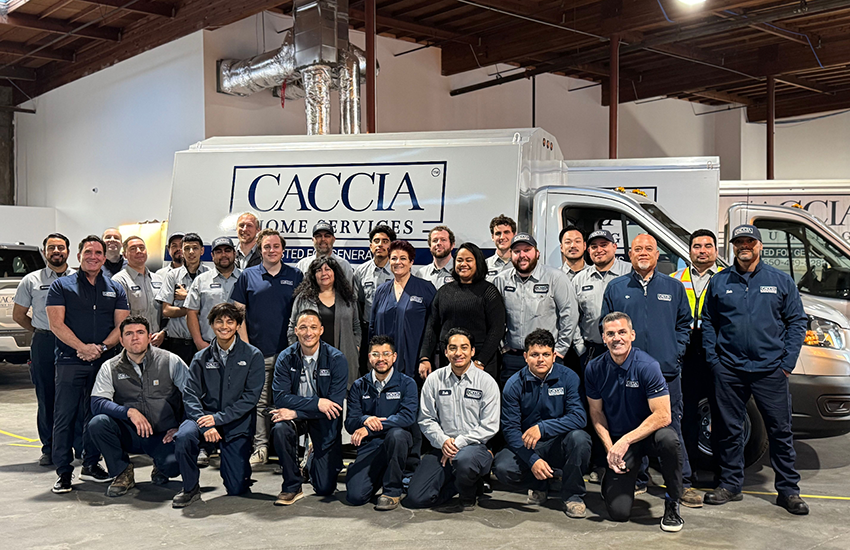
Caccia Home Services has nearly 50 years of experience working within Palo Alto’s plumbing and electric ecosystem. Our licensed technicians are already familiar with the equipment found in the area and know how to install, fix, remove, and replace them safely so you can stay safe, compliant, and comfortable.
From radiant floors to pool filters, Caccia helps Palo Alto properties run like new. And all without wasting water or energy. Get help from local pros you can trust anytime by dialing (650) 294-8504.