(650) 442-1470


 (650) 442-1470
Summary:
NOAA forecasts a greater than 83% chance of a very strong El Niño during November 2026 through January 2027, which could bring a wetter-than-average winter to California. Some Bay Area drainage contractors are already fully booked as homeowners work to prepare for the weather. Taking simple DIY steps like checking your gutters, yard drains, and sump pump now can help you avoid emergencies, as can calling a professional for sewer lateral and electrical inspections, hydro jetting, and other essential services.
| Time to Read | ~8 Minutes |
| What You’ll Learn |
|
| Next Steps |
|
Bay Area homeowners are getting ready for a wet winter. According to NOAA’s Climate Prediction Center, there is an 83% chance of strong-to-very-strong El Niño conditions through January to March 2027, which could potentially bring heavy rainfall and flooding to the region.
The San Francisco Chronicle recently reported that many local contractors are already fully booked up with calls from homeowners needing drainage work, including upgrades. The good news is that Caccia is ready, willing, and able to help you get ahead of the weather or respond to it seven days a week!
In this article, you’ll learn more about El Niño from a local perspective, which neighborhoods are the most likely to be affected, and what you can do to prepare for it. We’ll also share a simple home maintenance checklist you can follow to make the process easier at every step.
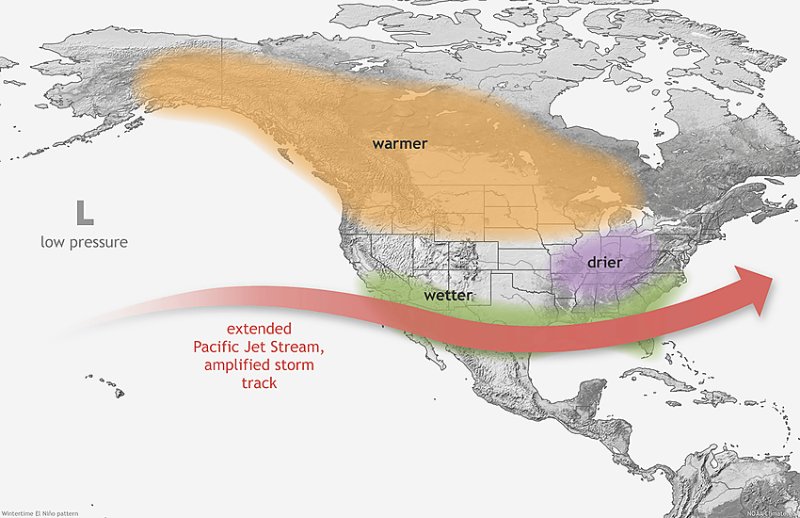
Image credit: NOAA Climate.gov.
What This El Niño Could Bring to the Peninsula
Looking at historical data from San Francisco helps put NOAA’s most recent forecast into perspective. The city records an average of 23.5 inches of rain each year, yet values were significantly higher during the El Niño events of 1982-83 (38 inches) and 1997-98 (47 inches).
But a strong El Niño doesn’t guarantee heavy rainfall, because predicting the weather isn’t a perfect science. In fact, the city recorded just 23 inches during the water year of 2015-16 despite forecasts calling for much wetter conditions earlier on in the same year.
Protecting your home and drainage systems is the best way to prepare when there’s no way to know for sure how the upcoming season will play out. You’ll gain long-term protection from costly water damage and expensive repairs that continue to deliver benefits far beyond just the spring.
Know Your Area: Flood Risk Zones in Burlingame and Beyond
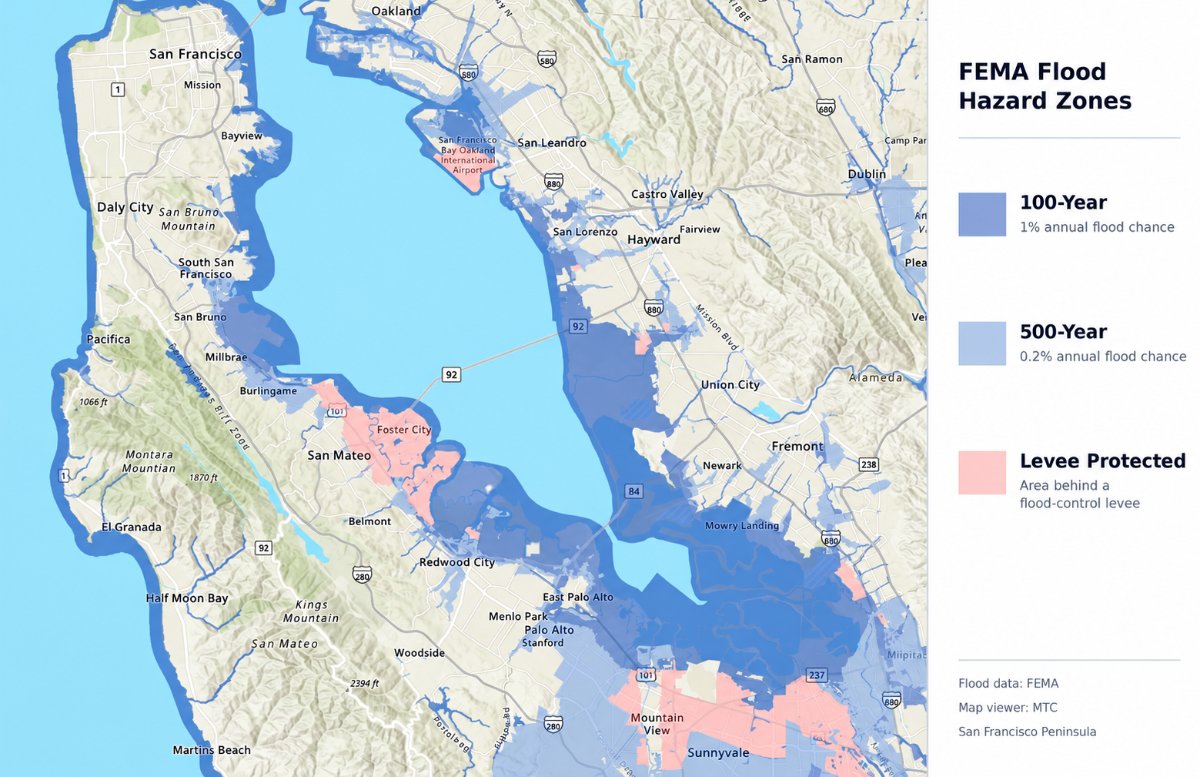
Many of our local neighborhoods here on the Peninsula are situated in low-lying areas or are located near waterways like the Bay itself or the Crystal Springs Reservoir. The risk for flooding is naturally higher in areas like these, but it can still be a factor worth considering even if you’re on higher ground.
The best way to find out where your home stands is to check FEMA’s flood hazard map, which you’ll find just above this section. If you’re here in Burlingame near our main headquarters, you can also explore the City’s Vulnerability Assessment Report to learn more.
Where Heavy Rain Gets Into Peninsula Homes
One of the most common times for water to leak into your home is when heavy rainfall rolls through the Peninsula. Very often, homeowners will have no idea that they have a hidden leak or don’t have sufficient drainage until this happens because most of the sources just aren’t an issue on bright, sunny days.
Here at Caccia, we see problems like these all the time:
- Runoff from gutters or downspouts emptying into clogged underground lines
- French or yard drains packed with roots and silt sending water toward the foundation
- Storm drains and catch basins backing up, leading to water pooling around the home
- Older clay or cast iron sewer lines with cracks or root intrusions that lead to backups
- Clogs in indoor drains or outgoing wastewater lines that block the flow of water
- Untested sump pumps that haven’t run since last winter or are out of service
- Leaks in crawlspaces or garages that let water in around water heaters or gas lines
- Water near outdoor electrical outlets or the panel itself (often in the garage)
Wet electrical components are especially dangerous because they can arc, spark, or cause serious electrical shocks. But even something as simple as a slow bathroom drain may signal a deeper blockage that leads to sewage backups or unexpected repairs during heavy rain.
How to Keep Storm Water Moving
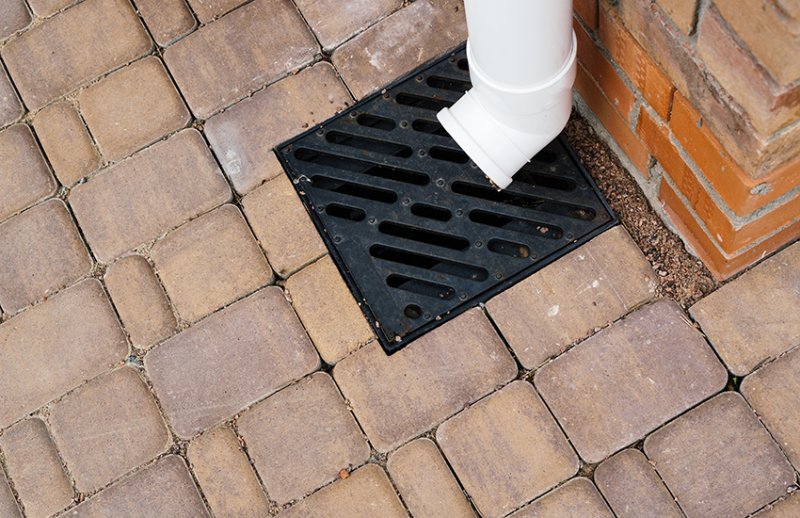
Your yard drainage system carries rain away from your home to help prevent it from leaking in around your foundation or puddling up and turning your yard into a soggy mess. There are three key components you need to think about when you’re scheduling maintenance or upgrades.
Downspout Lines
Downspouts collect water from the gutters and send it into underground pipes that empty at the curb, a storm drain, or a specific area of your yard. Leaves and sediment settle in those pipes over the years. If it overflows at the seams or backs up at the bottom, it’s a strong indicator that you have a clog.
Storm Drains and Catch Basins
Grates in driveways, patios, and low spots give surface water a place to go and then route it out to the street or a special drainage line. Any debris that slips in through the grate can eventually build up in the basin and pipe. If it clogs, you’ll notice standing water around the grate that persists after the rain stops.
French Drains
A French drain is a perforated pipe that’s buried a few feet down in the yard and covered in gravel. It collects groundwater along the foundation or across a problem area of your yard and carries it away safely so it can’t pool up or flood.
Roots will actively seek out the water in French drains, and in some cases, they’ll actually grow into the pipe through the perforations. Add in fine silt from the yard, and you have the perfect recipe for a clog.
You’ll want to act on this one fast if you notice the yard stays soggy for days after a storm.
How Hydro Jetting Helps Clear Your Lines
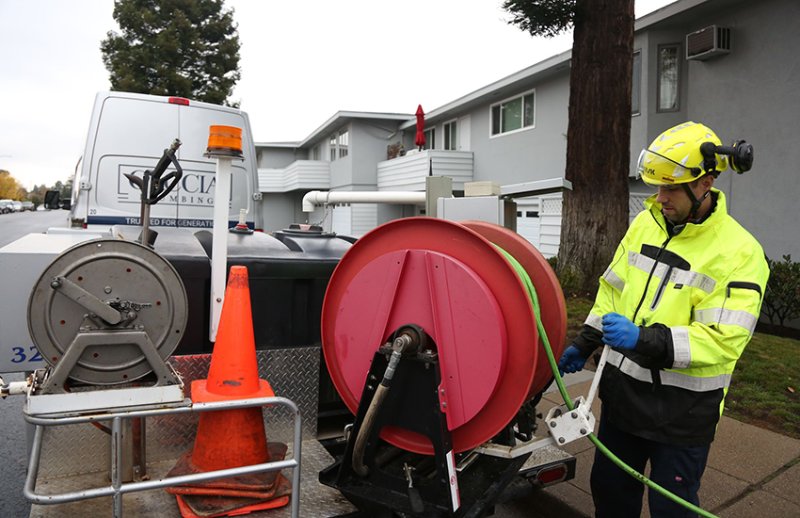
Hydro jetting is an effective option for clearing out and cleaning the lines in your home, but it isn’t safe or suitable for cracked, broken, or collapsed pipes. Inspecting your plumbing first allows our technicians to diagnose the problem more precisely and recommend the best cleaning method with confidence.
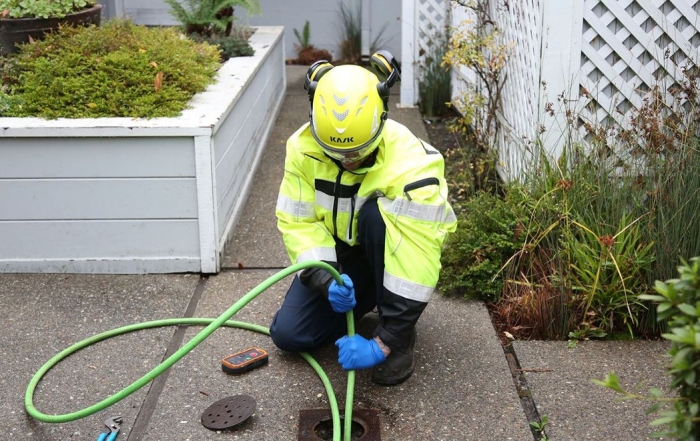
The service itself is relatively simple: Caccia’s technicians will use a special, high-pressure hydro jet to scour away tree roots, dirt, debris, silt, and other contributors to clogs. The hydro jet device itself looks very similar to your average power washer or garden hose, but is much more powerful by comparison.
Book Before the Rush
Contact Caccia now to schedule a drainage inspection, hydro jetting service, or other drainage upgrades before this year’s winter weather puts your plumbing system to the test.
Your Pre-Storm Checklist
Preparing your home for a potentially wetter winter doesn’t need to be complicated or expensive. Taking simple steps now can help you identify any problems lurking in your system early, and all you need to do to get help with anything that calls for a pro is send us a message.
DIY Steps to Take This Weekend
You don’t need to be a plumber to start getting your home ready for the weather or to start looking for red flags that you might have an issue. All you need to take care of these five tasks is a hose, a bucket, a ladder, and a little common sense.
Here’s what we recommend:
- Find your main water shutoff and test it to ensure it turns easily. Make sure that everyone in your home knows where it is and how to turn it off in an emergency.
- Test your sump pump. Pour a bucket of water into the pit slowly, then wait for it to switch on by itself, drain away the water, and then shut off. Give us a call if anything doesn’t go as planned.
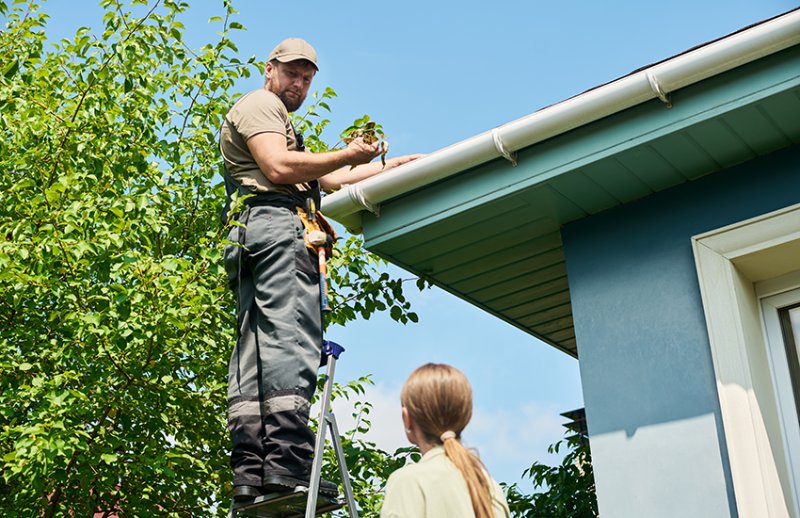
- Clean out your gutters, then flush them out with a garden hose pointed toward the downspout. Your goal is to confirm that water flows freely away from your home.
- Check all yard drains and storm drain grates for clogs or debris. If you find any leaves, mulch, or debris, pull out what you can reach easily.
- Locate your electrical panel and visually inspect it for issues. Knowing where it is and how to turn off the main switch before an outage is essential, but leave any actual work to an electrician.
It’s important to note that you don’t need to diagnose or repair anything during these checks. In fact, you shouldn’t try to tackle any work yourself. Just make a note of anything unusual so you can describe it when you call us for help.
How to Visually Inspect an Exterior Electrical Panel
Here in the Bay Area, it’s very common for homeowners to have an electrical panel that sits on an exterior wall rather than in the garage or basement. Damage to the enclosure or weatherproofing often goes unnoticed until moisture gets in, creating a serious risk of electrical arcing and fires.
If your panel is located outside, we recommend:
- Visually inspecting it regularly to confirm it’s still in good condition
- Looking closely for any rust, holes, or degradation on the enclosure or cover
- Confirming that any weatherproofing or caulking around it is still completely intact
If your home has overhead electrical service, you should also inspect the weatherhead from the ground for any signs of degradation. It should have a protective cap that shields the wires coming into your house from moisture, but may break down over time or even go missing. Any water that leaks down inside the service pipe itself will eventually make its way into your panel, which can also cause a fire.

When to Call a Professional for Help
You don’t have to wait for something to go wrong to call us. If it’s been a while since your last professional inspection, you have questions, or your DIY checks turn up an issue you can’t resolve, just send us a message. We’ll do our best to help you find a solution that works for your home and budget.
We may recommend:
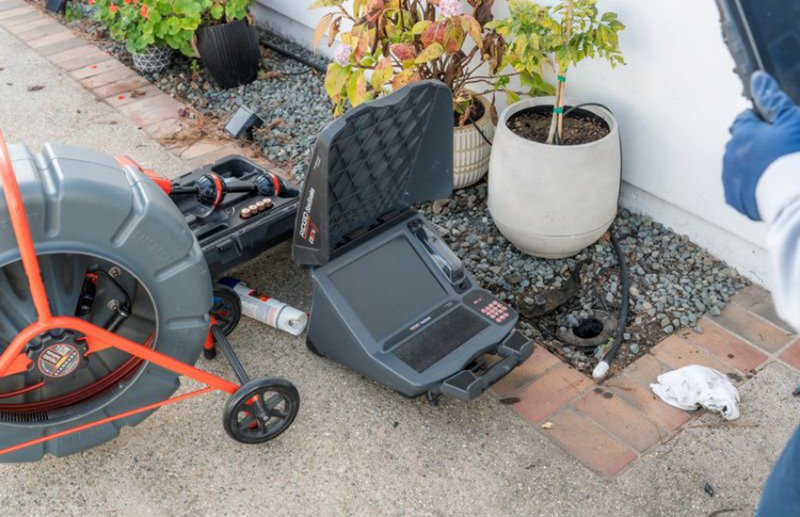
- A camera inspection so we can properly diagnose drainage problems the first time
- Hydro jetting to flush debris or clogs out of your main line or drains, if appropriate. This service always starts with a careful evaluation of your plumbing so we can confirm it’s the right option.
- Trenchless sewer repairs if your sewer lateral is broken or needs to be replaced
- Sump pump maintenance or replacement, depending on your situation
- Automatic water shutoff devices, which can detect plumbing leaks and respond to them by turning off the flow of water coming into your home
- Electrical inspections for your panel, GFCI outlets, or surge protectors
It’s unlikely that you’ll need all of these services at the same time. Once we have a chance to take a look at your system, we should be able to help you pinpoint what you need to focus on first to keep water out.
What to Do If Water Gets In Anyway
Unexpected leaks and flooding can still happen even when you take all the correct steps to prepare your home for it in advance. Sometimes, the volume of water is just too high to avoid it completely. Teach your family what to do in an emergency so everyone knows exactly what to expect.
Follow these three steps:
- Shut off the water at the main if you suspect a pipe or fixture is the source.
- Stay away from the electrical panel and any outlets if they’re wet or near standing water.
- Call our emergency line at (650) 442-1470 immediately so we can help.
Stay safe, try to stay calm, and focus on getting the help you need to resolve the problem from there.
Get Your Home Ready for El Niño With Caccia Home Services
Preparing for a rainy winter here in the Bay Area doesn’t need to be stressful. Taking steps to understand where water goes and identify drainage problems early will let you look forward to it with peace of mind.
If you’re looking for ongoing support, you should also consider joining Caccia’s Care Club. You’ll get priority scheduling as well as annual plumbing and electrical checks for just $192 a year. We also offer upfront, flat-rate pricing for all services, so either way, you’ll know exactly what to expect.
Schedule an appointment online now!
Frequently Asked Questions About Preparing for El Niño
Will El Niño definitely bring heavy rain to California this winter?
Not necessarily. A very strong El Niño raises the odds of a wet California winter without guaranteeing one. NOAA’s Climate Prediction Center expects El Niño to continue strengthening, with a greater than 83% chance of strong-to-very-strong conditions lasting into early 2027. But this is a rough prediction, not a guarantee.
How do I know if my storm drain or French drain is clogged?
Look for standing water around a drain grate long after the rain stops, water pooling near the foundation, or a yard that stays soggy for days. All of these are a strong indicator of a problem. Downspouts that overflow or back up near the base usually point to a clogged drain line below them.
Can hydro jetting clean a French drain or downspout line?
Yes. Caccia’s licensed plumbers begin by evaluating the condition and suitability of your lines, then recommend the most appropriate cleaning method for your home. Hydro jetting is an effective way to remove roots, silt, and debris from French drains, downspout lines, and storm drains. We use high-pressure water to scour the full width of the pipe and flush out any debris inside it.
Why does my sewer back up when it rains?
Groundwater and storm water seep into cracked or root-damaged sewer laterals, especially older clay and cast iron lines. The extra water overloads the line and pushes sewage back up through the lowest drains in the house. We can run a camera through your lateral to find out what’s going on.
Trenchless repair may be an option if you need your line corrected, and it’s great because it allows us to resolve the problem without totally excavating the entire line. Ask us if it’s right for you!
Do I need a sewer lateral inspection before winter?
It’s a smart call for older homes, especially if you have large trees near the sewer line, slow drains, or a history of backups in the past. Camera inspections make it easy for us to spot roots, cracks, and shifted joints so you can schedule a fix before the heavy rain arrives.
How do I test my sump pump?
Pour a bucket of water slowly into the pit. The float should rise, the pump should switch on, and the pit should drain before the pump shuts off on its own. Call a pro for sump pump maintenance if the pump hums without pumping, runs nonstop, or doesn’t start.
What should I do if my crawl space floods?
Stay out of a flooded crawl space if the water is anywhere near wiring, the water heater, or gas lines. Shut off the main water valve if a pipe is the source, and call for emergency plumbing. Our team can find the source once the water is out, whether it’s a drain line, a sump pump, or a sewer lateral in need of repairs.
Is it safe to use outlets or the panel if my garage floods?
No! Stay away from the panel and any outlets near standing water, and keep everyone else clear too. Call a licensed electrician before anyone touches the panel. Our electricians can inspect the panel and outlets once the area is dry, or if necessary, contact your provider to temporarily turn off the power.